
Spinball Performance
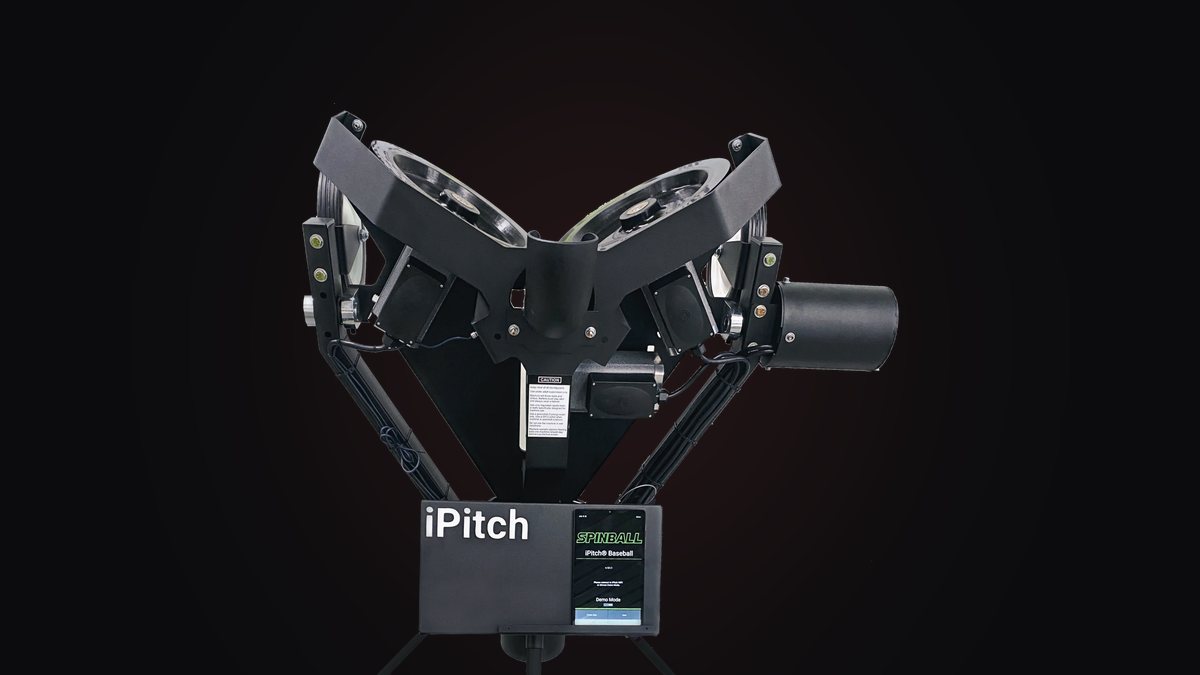
iPitch by Spinball
Smart pitching machine with controlled speed and spin — 140 pitches, random or programmed sequences, run from a tablet — for high-volume, precisely repeatable work.
iPitch handles the repetition. It throws with a set speed, spin rate and spin direction, aims itself, and changes pitches in a few seconds — so a hitter can take a hundred quality swings against a defined look without a coach feeding and re-dialing the machine one ball at a time.
What a normal machine can't do
- Fast pitch changes. Most pitches change in under five seconds, and the machine re-aims automatically. The coach picks the pitch and the target zone.
- Controlled spin. Spin rate and direction are set per pitch, so a custom pitch can simulate a specific pitch — or a specific pitcher.
- Random sequences. A new pitch is chosen every time a ball is thrown, so the hitter doesn't know what is coming next.
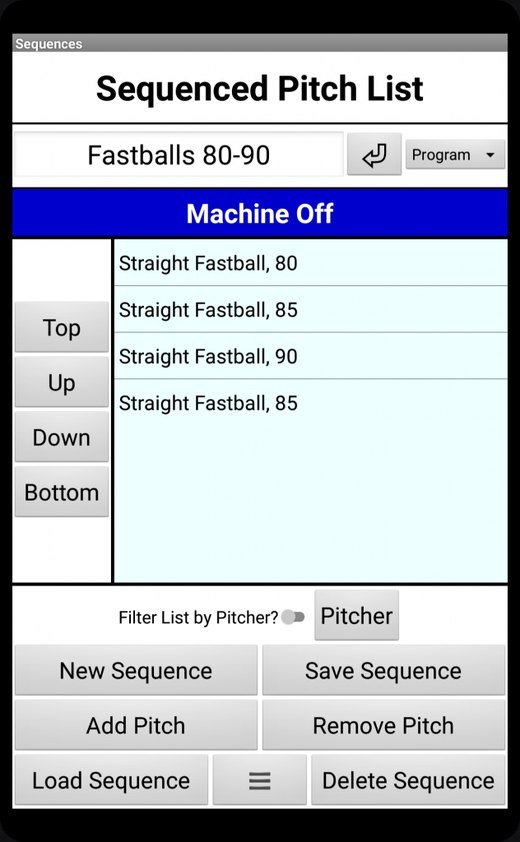
- Programmed sequences. A pre-defined order of pitches simulates a specific at-bat, or gives every hitter the same test.
- Wireless control. A tablet runs the machine over Wi-Fi from up to 300 feet away — from the plate or from behind the backstop.
Batting practice and pitchers
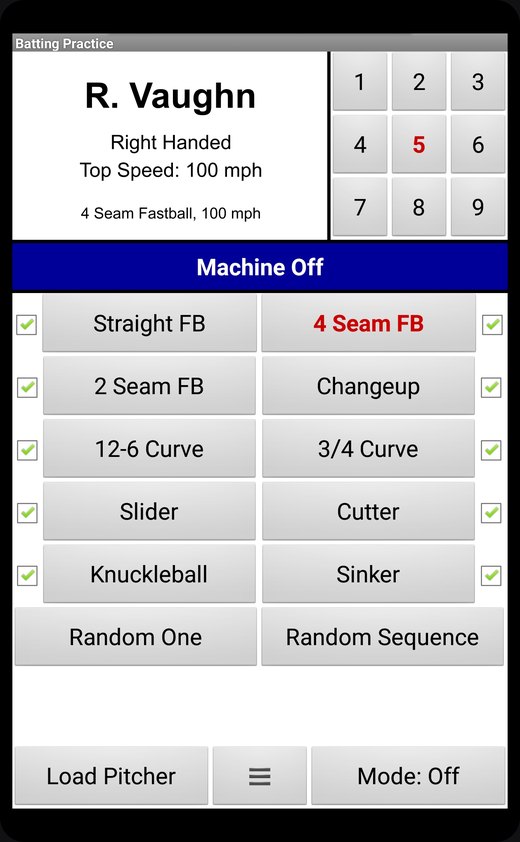
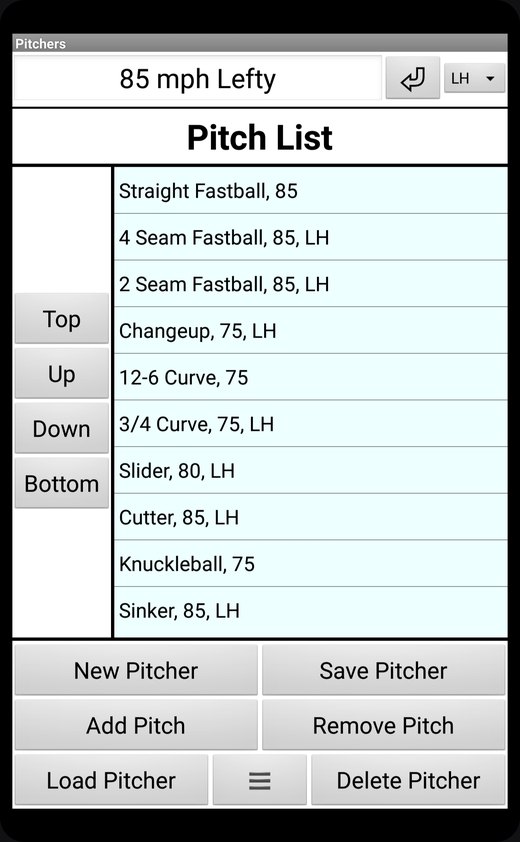
Load a pitcher and BP is ready. Each pitcher carries up to 12 pitches, with speeds set as a percentage of that pitcher's fastball, so breaking balls come in at a realistic gap — a 90 mph fastball pairs with a 75 mph curve. Every pitch can be aimed at any of nine zones.
Pitchers can mirror real arms or be built for a drill: ten fastballs at different speeds for timing, or pitches just off the plate to train selection.
Pitches and sequences
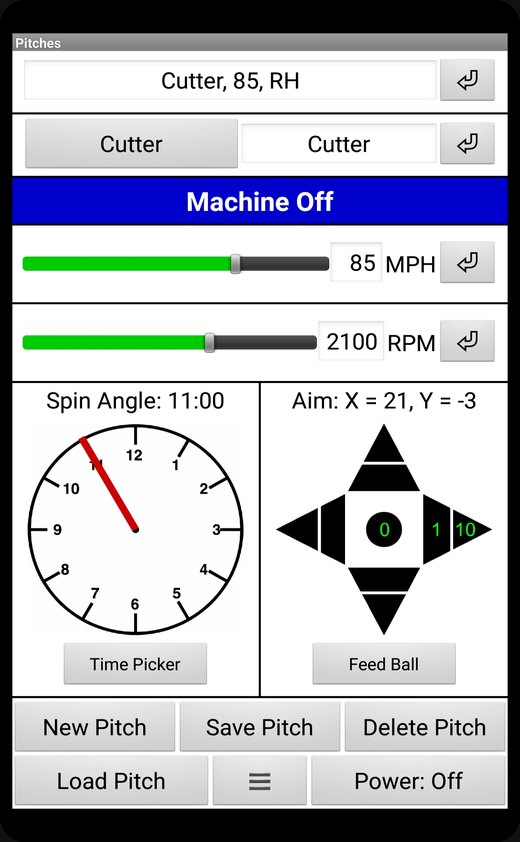
A pitch is defined by its speed, spin rate and spin direction, then aimed and saved. Statcast, Rapsodo or HitTrax data can be used to replicate a pitch exactly, and a change to a saved pitch carries through everywhere it is used.
Sequences put pitches in a fixed order for training or evaluation, run once or on a loop.
Built for the big leagues
iPitch is used by 23 MLB teams and made in the USA. New pitchers, pitches and drills arrive as app updates, so the machine keeps improving without new hardware.
How we use it
It is the workhorse alongside Trajekt: Trajekt for preparing against a specific arm, iPitch for the volume that makes an adjustment stick. TrackMan records every ball it throws and every ball that comes back off the bat.
Also in the building
Markerless 3D motion capture and force plates. 150+ data points a session, benchmarked against 3,000+ athletes — so we see how the athlete actually moves, not how it looks at full speed.
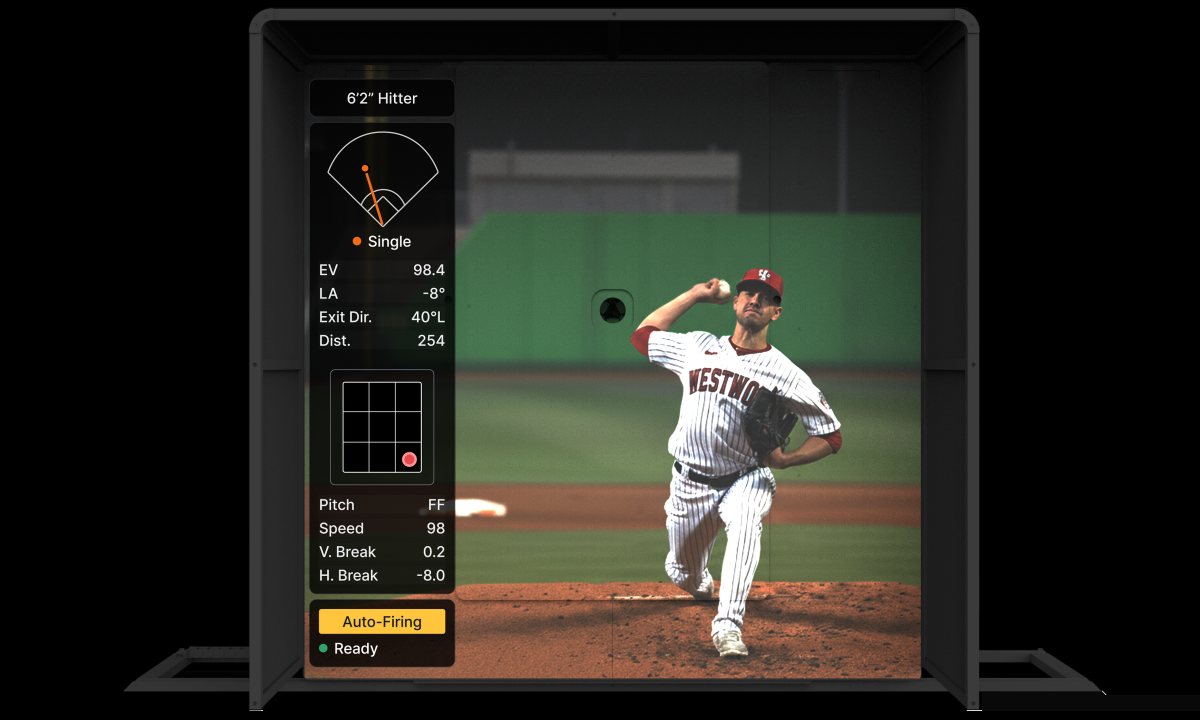
Recreates a real pitcher — speed, 3D spin, seam orientation and release slot, synced to video of the delivery — so at-bats are prepared for, not guessed at.
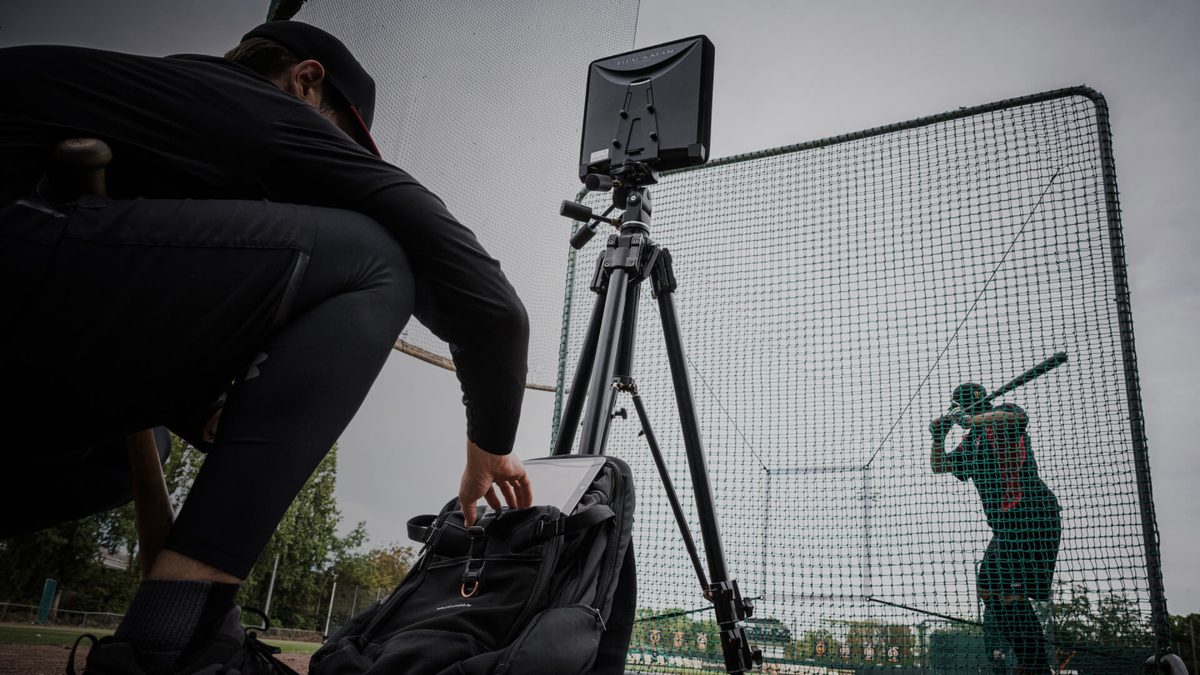
Optically enhanced radar that tracks the full flight of every pitch and batted ball — release, movement, 3D spin, exit speed and launch — so practice is measured, not eyeballed.
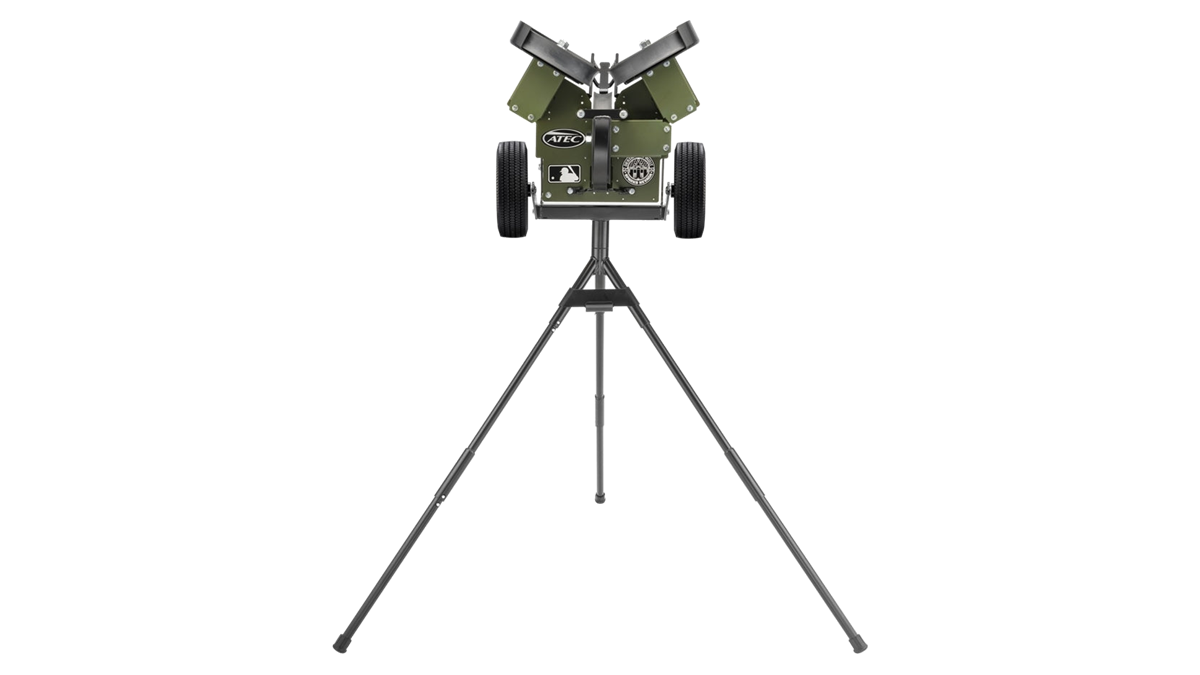
Three-wheel crossover machine — fastballs to 90 mph, breaking balls from either side, and ground balls and fly balls for defense — that converts to fastpitch softball in minutes.
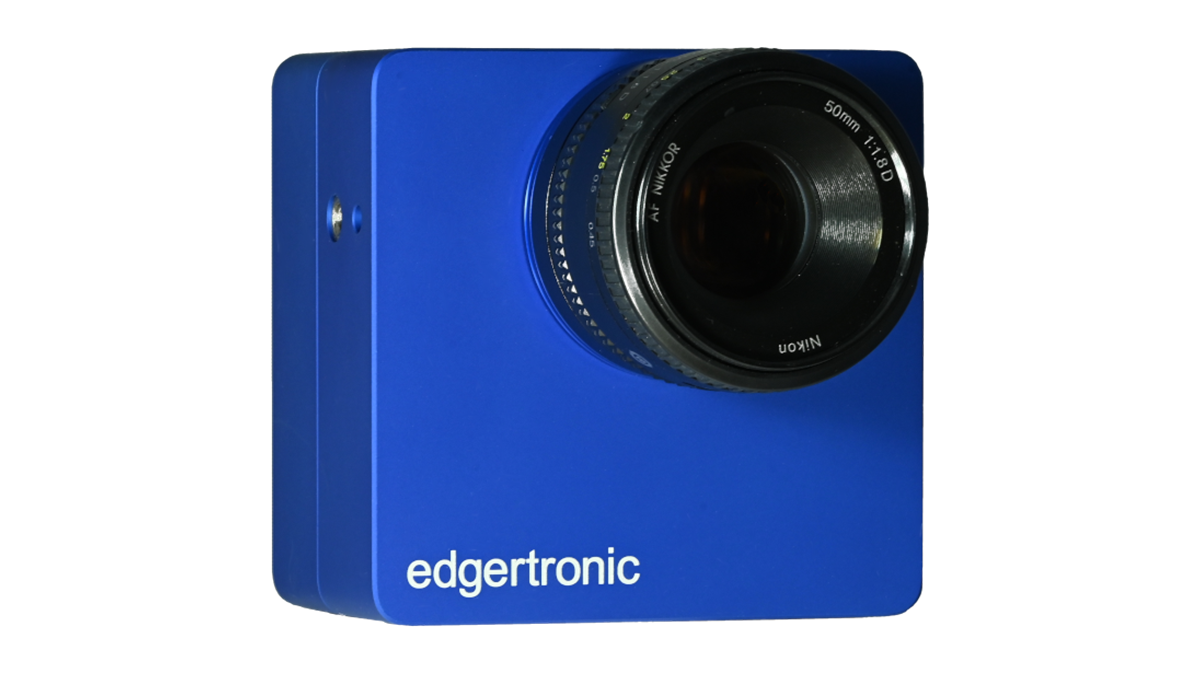
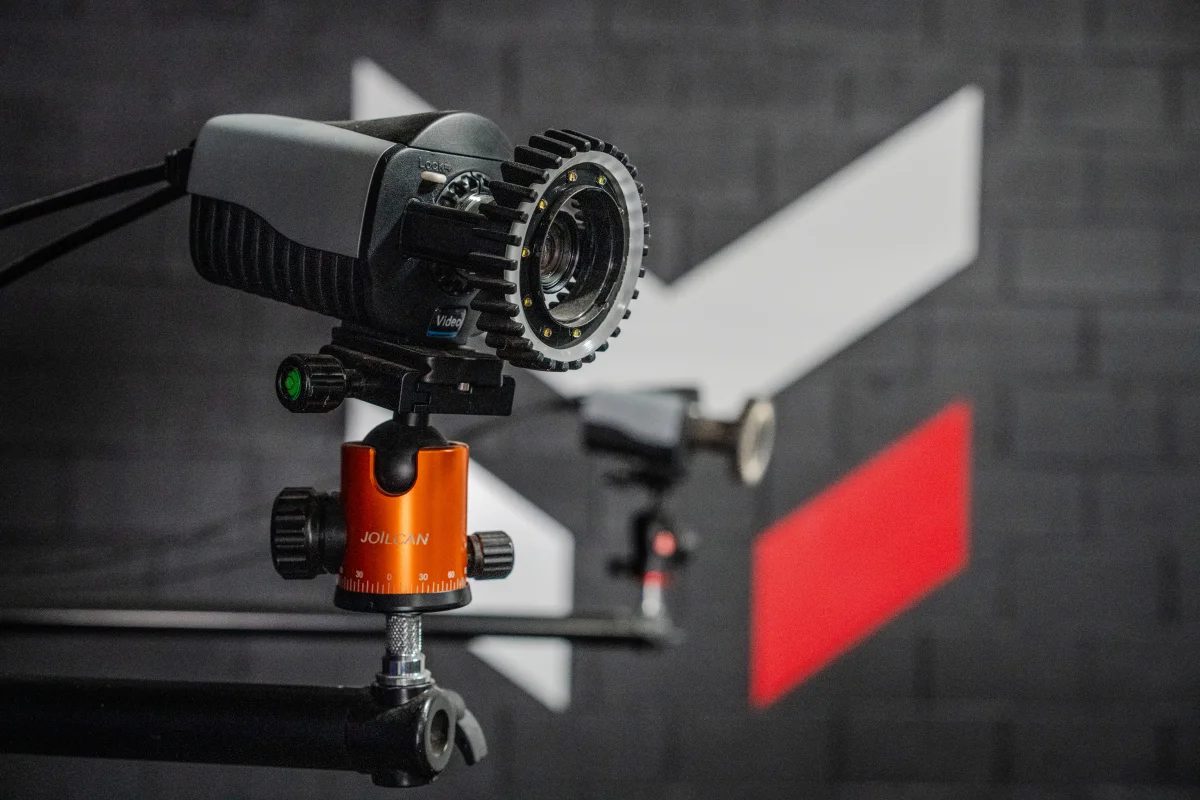
High-speed camera recording up to 2,240 frames a second at 720p with a global shutter — grip, release and contact, frozen sharply enough to see the seams.