
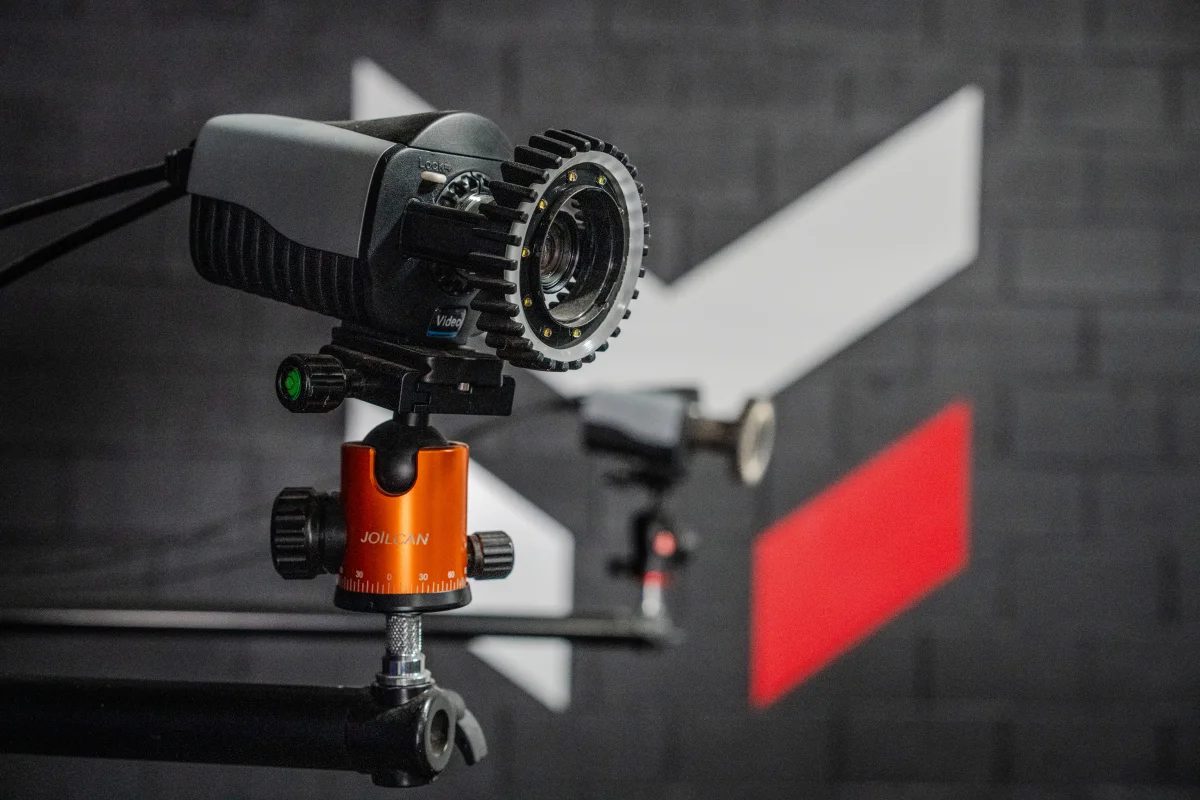
Maven Baseball Lab
Maven Baseball Lab
Markerless 3D motion capture and force plates. 150+ data points a session, benchmarked against 3,000+ athletes — so we see how the athlete actually moves, not how it looks at full speed.
Every development plan here starts with a capture. Maven Baseball Lab reads the athlete's body position in three dimensions — every joint, every angle, every frame — with nothing attached. No suit, no markers, no change to how the athlete moves.
The cameras are paired with force plates under the athlete's feet, so the assessment sees both halves of the movement: how the body organizes itself, and how much force it puts into the ground and when. A single session produces more than 150 data points.
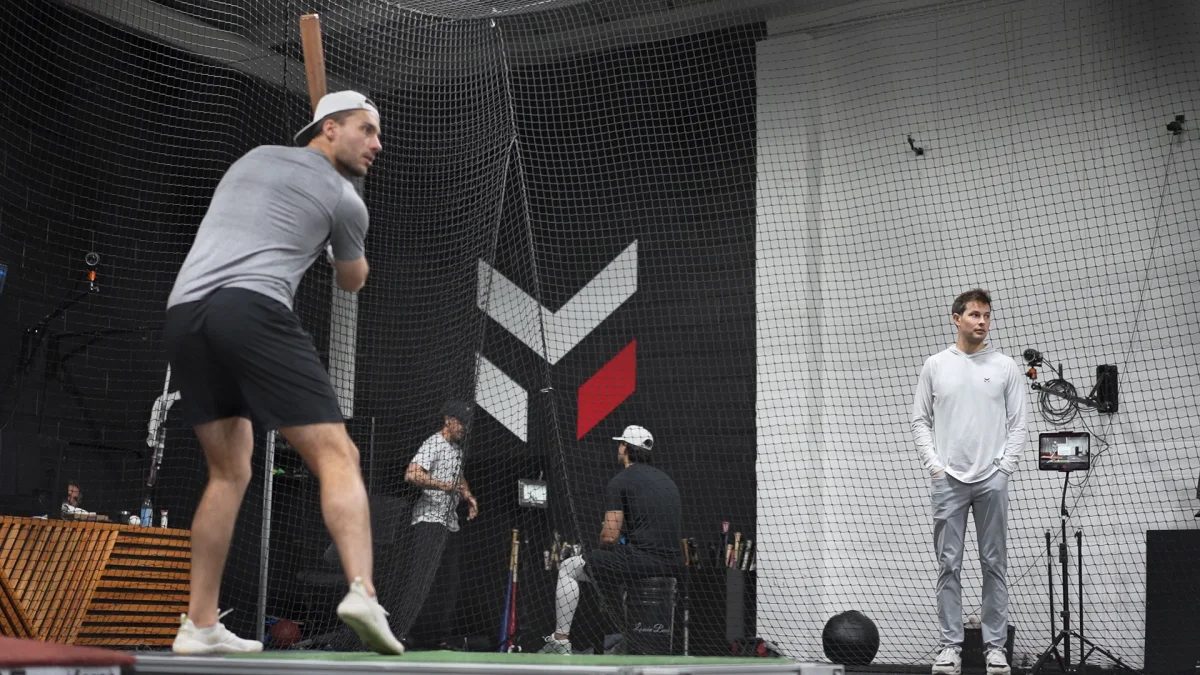
How an assessment runs
- Capture. Twelve reps on the motion-capture system and force plates, swings or pitches at game intent. The data is processed and delivered to the athlete's Maven app.
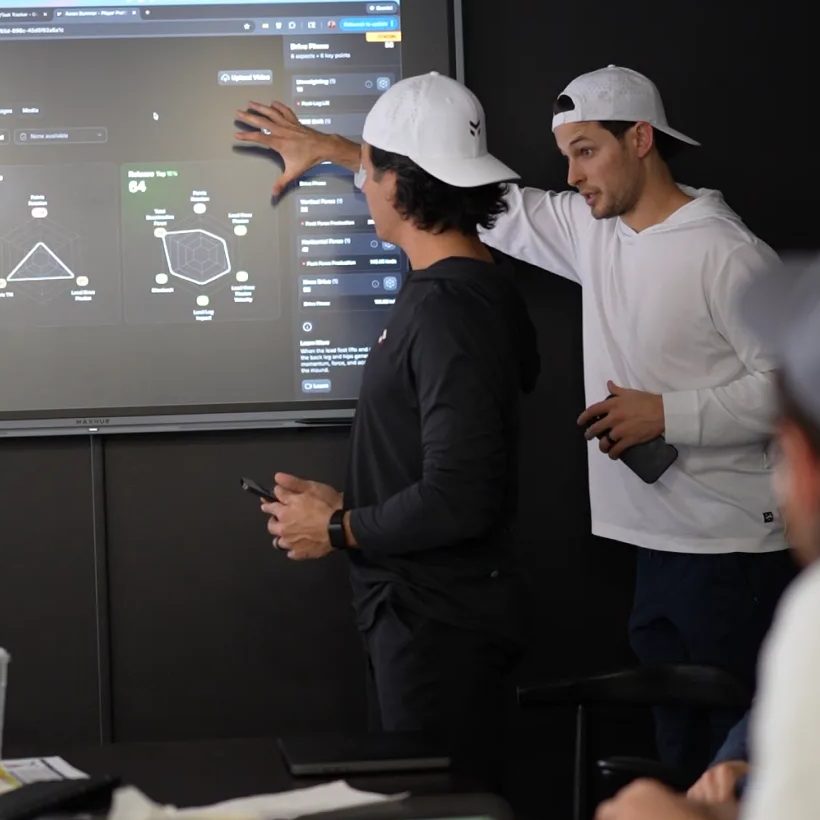
- Review. The athlete sits down with a coach to walk through the metrics, what each one means, and which ones matter first.
- Optimize. The findings become a training prescription, and every insight stays in the app next to the work that addresses it.
Arrival to prescription takes about 90 minutes.
Four pillars
Results are organized into four pillars for each skill, which turns a long list of numbers into a short list of priorities.
Hitting
- Gather
- Bat Path
- Ground
- Motor
Pitching
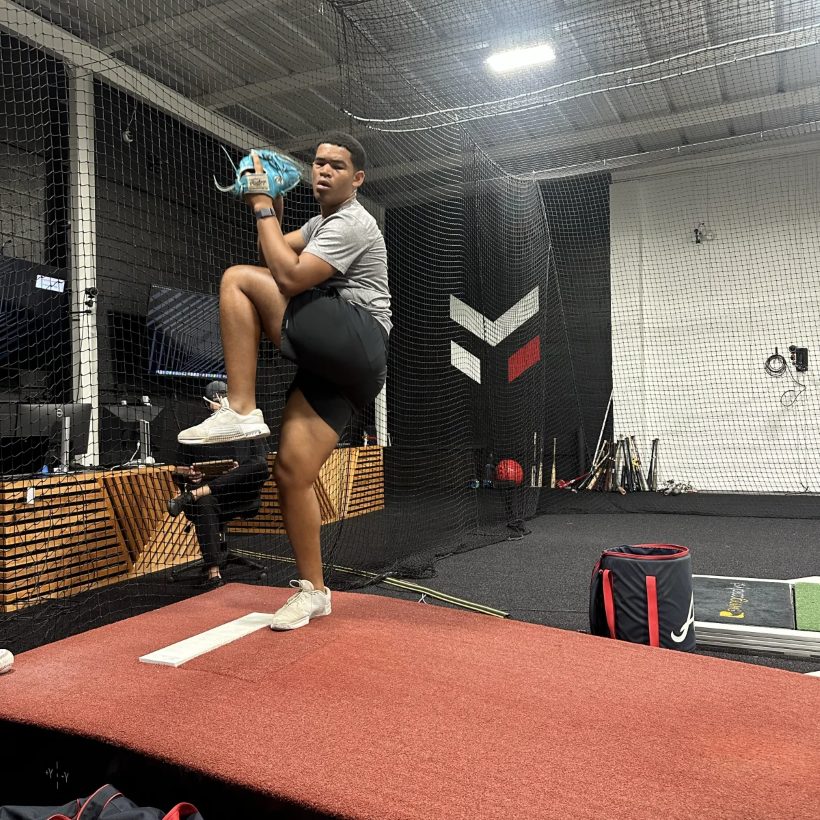
- Lower Half — force from the legs and hips
- Sequencing — energy transfer through the body
- Arm Action — the throwing path
- Arsenal — pitch quality, scored on Stuff+
The Maven Score
Each pillar is scored and benchmarked against the 3,000+ players Maven has assessed at every level, so an athlete knows where they stand, not only what they did.
How we use it
What comes back is the sequence: how the pelvis, trunk, arm and hand order themselves, where energy is lost, and which joints are being asked to do work they were not built for. That is the difference between a coach saying an arm looks late and a coach knowing it is late, by how much, and what upstream is causing it.
Captures repeat on a schedule, so change is measured against the athlete's own history rather than against a model of somebody else — and TrackMan confirms whether that change shows up in ball flight.
Also in the building
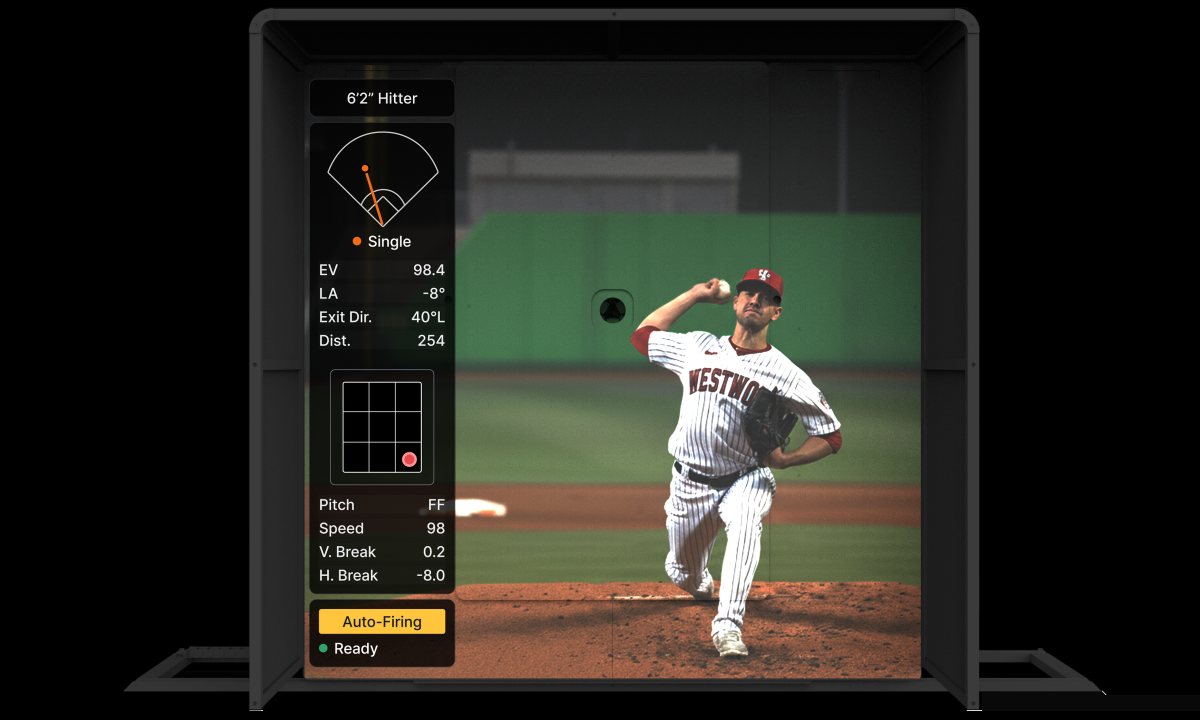
Recreates a real pitcher — speed, 3D spin, seam orientation and release slot, synced to video of the delivery — so at-bats are prepared for, not guessed at.
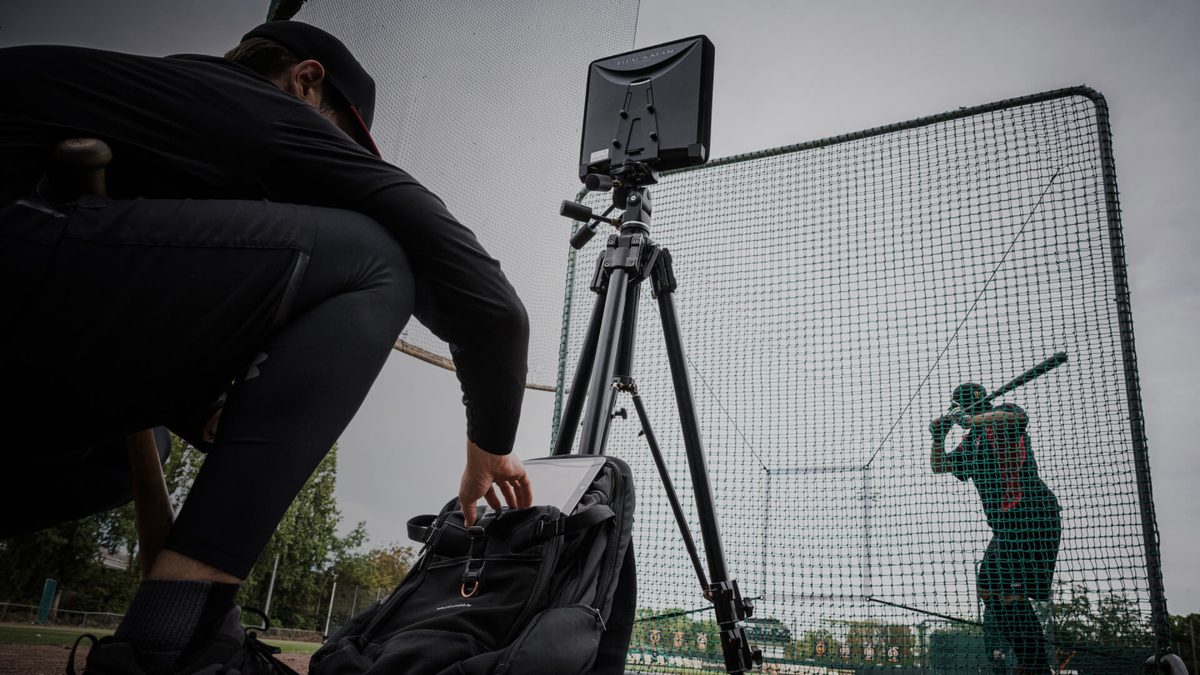
Optically enhanced radar that tracks the full flight of every pitch and batted ball — release, movement, 3D spin, exit speed and launch — so practice is measured, not eyeballed.
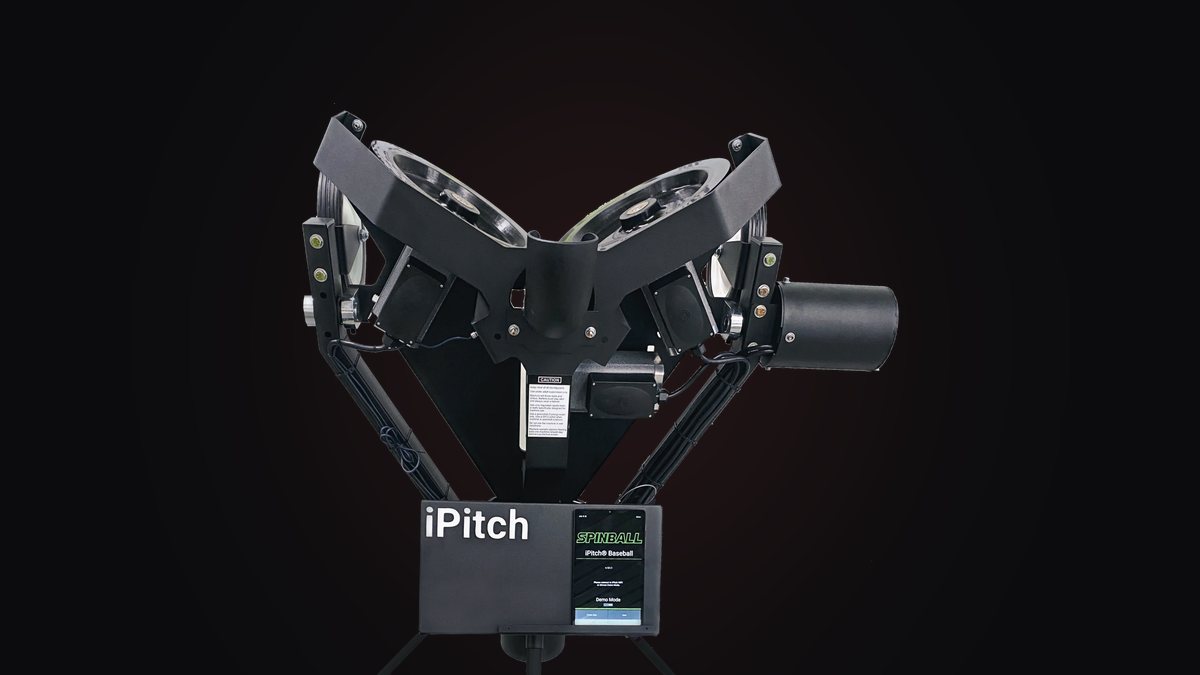
Smart pitching machine with controlled speed and spin — 140 pitches, random or programmed sequences, run from a tablet — for high-volume, precisely repeatable work.
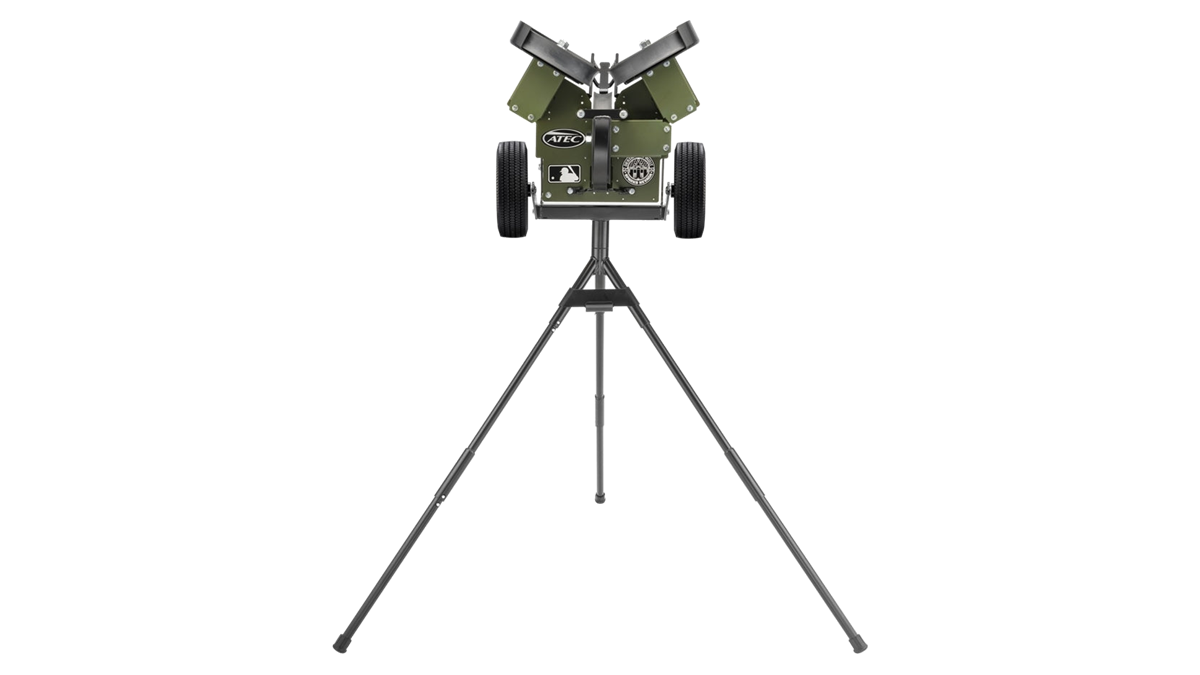
Three-wheel crossover machine — fastballs to 90 mph, breaking balls from either side, and ground balls and fly balls for defense — that converts to fastpitch softball in minutes.
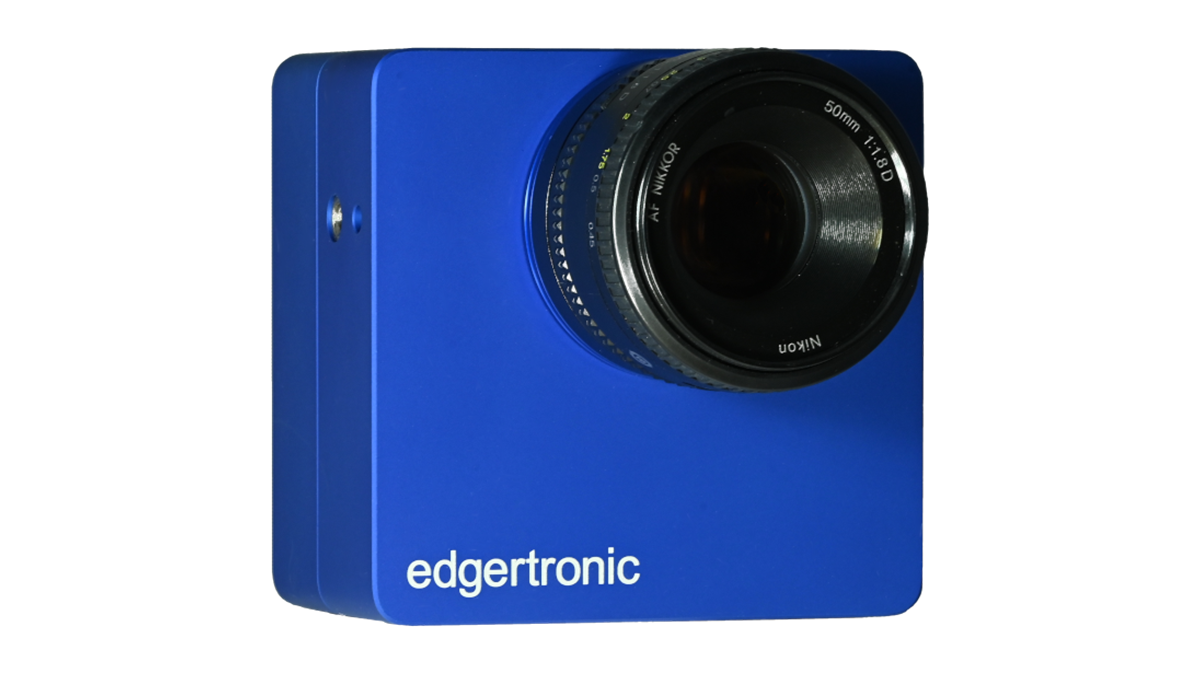
High-speed camera recording up to 2,240 frames a second at 720p with a global shutter — grip, release and contact, frozen sharply enough to see the seams.