
Trajekt Sports
Trajekt
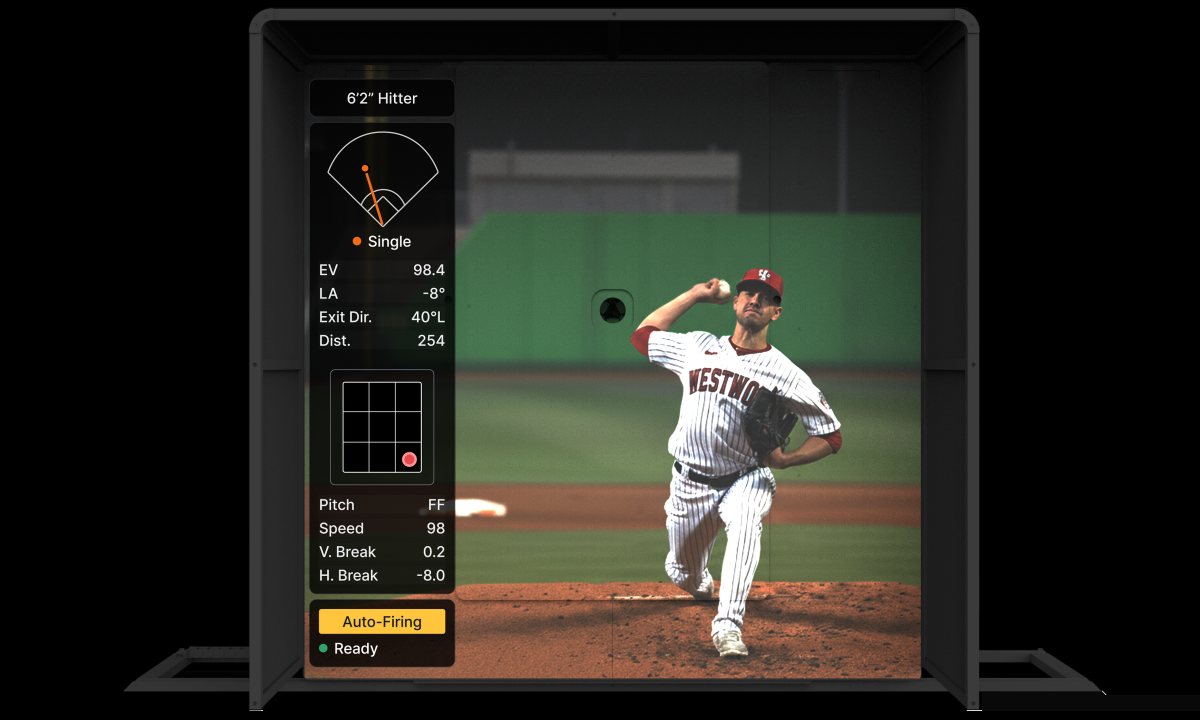
Recreates a real pitcher — speed, 3D spin, seam orientation and release slot, synced to video of the delivery — so at-bats are prepared for, not guessed at.
Most machine work trains a swing against a pitch that does not exist. Trajekt does the opposite: the Arc reproduces a specific pitcher — the speed, the spin, the release slot — and plays that pitcher's delivery on screen in front of the hitter, timed to the ball, so the hitter picks it up the way they will on Friday.
What a normal machine can't do
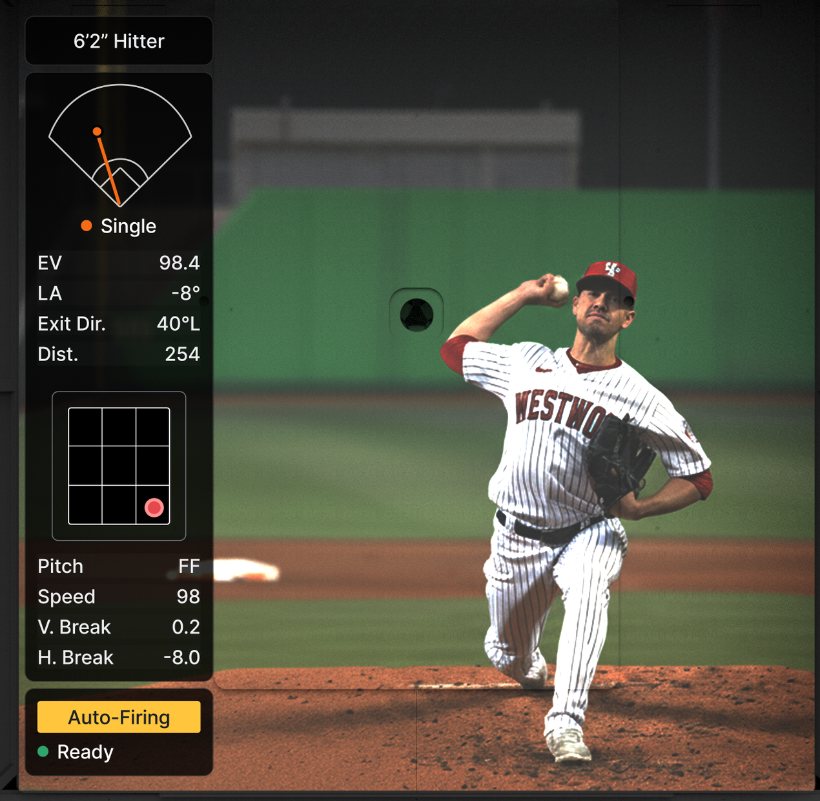
- Ball control. Speed, 3D spin and seam orientation are set precisely, so the Arc can throw any pitch imaginable with the shape of the real one.
- Visualization. Any pitcher's video plays in sync with the pitch, so timing is practiced at game speed against a real delivery.
- Dynamic release. The release point moves to any pitcher's slot, so the path into the zone is that pitcher's, not the machine's.
How it works
Trajekt combines precise motor control, image processing and machine learning to simulate pitches from actual pitchers. Tracked data for an upcoming opponent is loaded into the system, and the hitter sees that arsenal before the game rather than in the first at-bat.
Every rep is logged as it happens: pitch type, speed and break on the way in; exit velocity, launch angle, direction and distance on the way out.
Built for the big leagues
The Chicago Cubs started working with Trajekt in 2019, and by 2023 half of Major League Baseball was using the Arc every day. It is the same preparation big-league hitters get, in our cage.
How we use it
For hitters, it means seeing the arsenal before the game. For pitchers, it is a reference for what a pitch shape is supposed to look like out of hand.
It works alongside iPitch — Trajekt for preparing against a specific arm, iPitch for the volume that makes an adjustment stick — and TrackMan confirms what the ball did.
Also in the building
Markerless 3D motion capture and force plates. 150+ data points a session, benchmarked against 3,000+ athletes — so we see how the athlete actually moves, not how it looks at full speed.
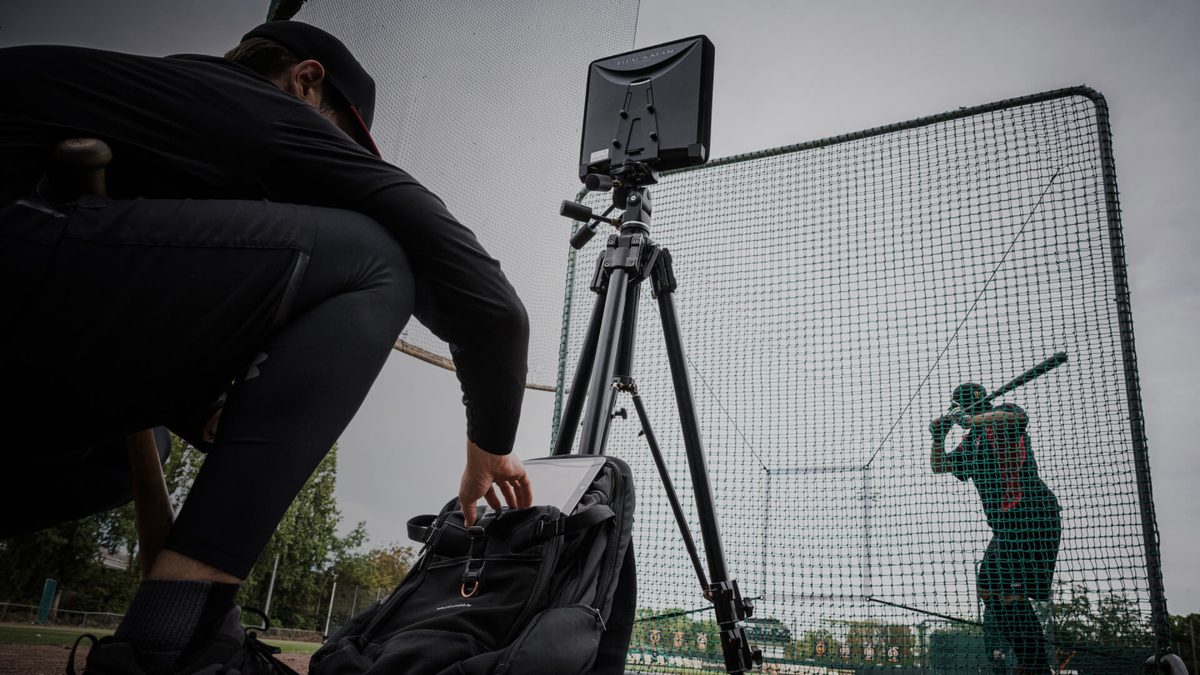
Optically enhanced radar that tracks the full flight of every pitch and batted ball — release, movement, 3D spin, exit speed and launch — so practice is measured, not eyeballed.
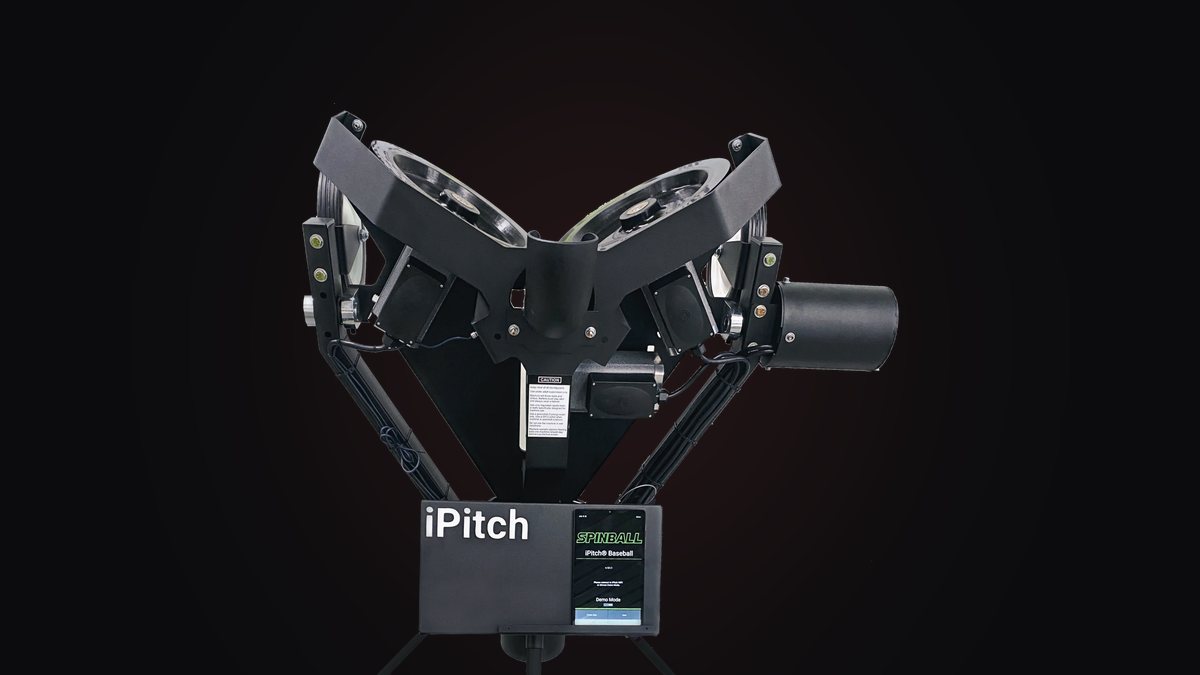
Smart pitching machine with controlled speed and spin — 140 pitches, random or programmed sequences, run from a tablet — for high-volume, precisely repeatable work.
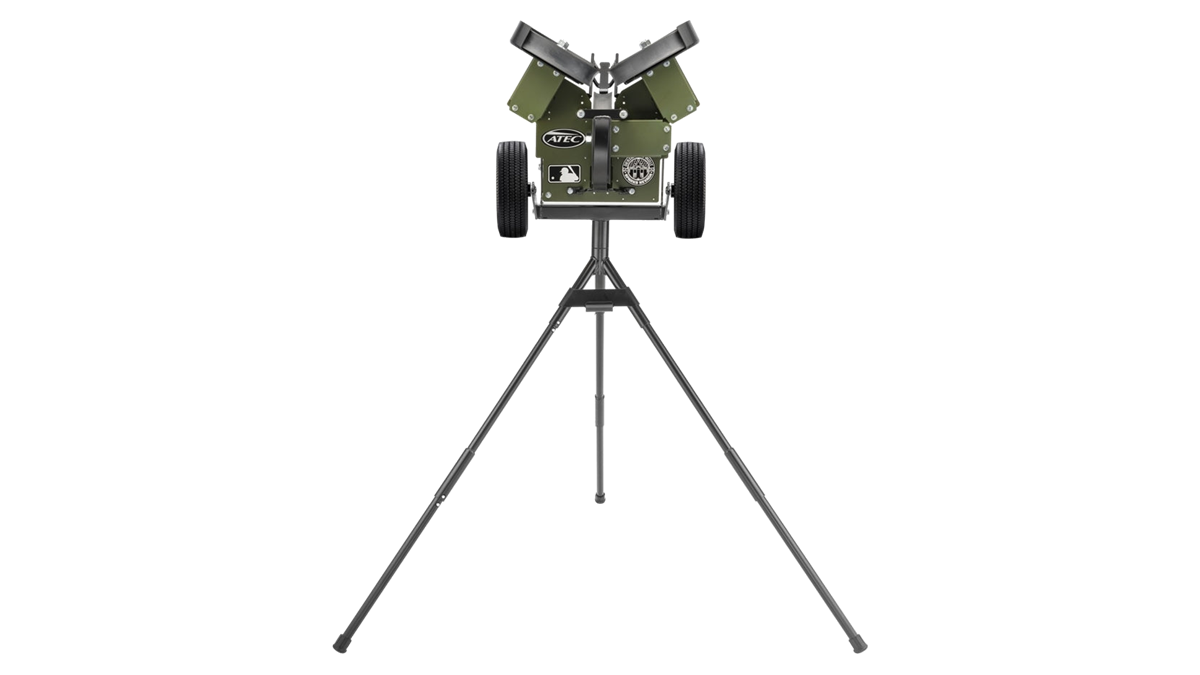
Three-wheel crossover machine — fastballs to 90 mph, breaking balls from either side, and ground balls and fly balls for defense — that converts to fastpitch softball in minutes.
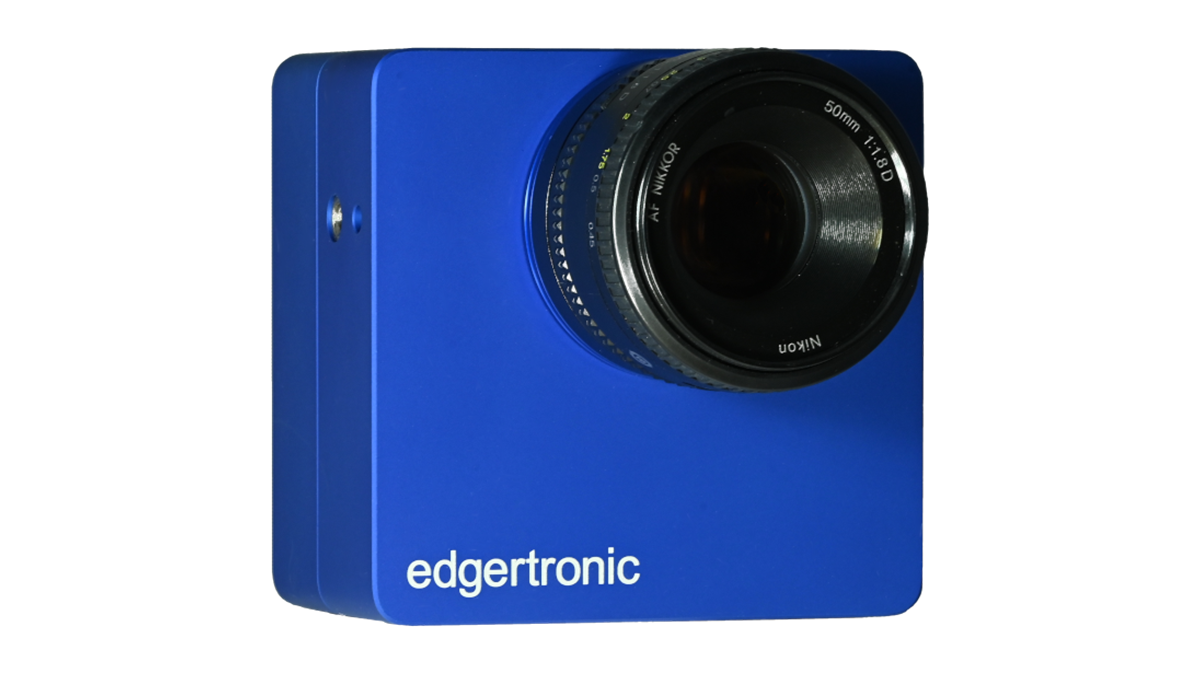
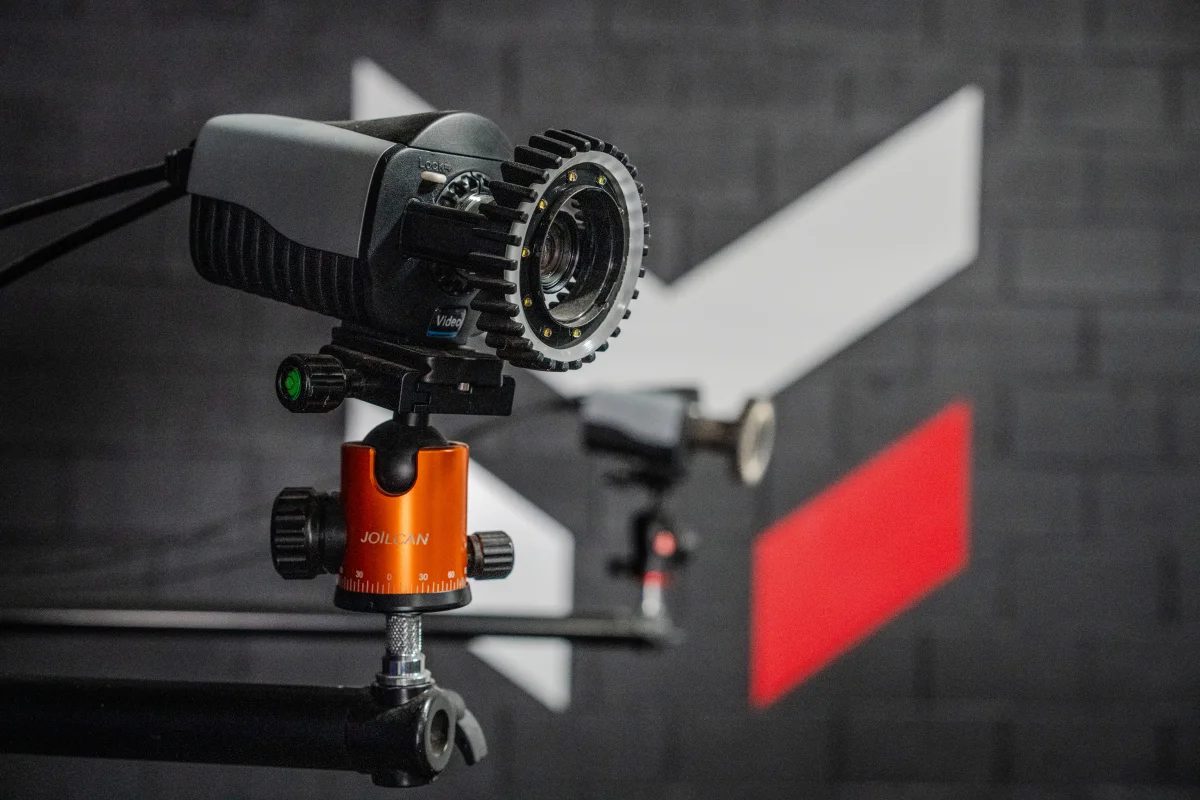
High-speed camera recording up to 2,240 frames a second at 720p with a global shutter — grip, release and contact, frozen sharply enough to see the seams.